Key Broke Off in the Lock? Broken Key Extraction, Explained
If a key snaps off in a lock, stop turning it, don't push the broken piece deeper, and don't reach for superglue. If part of the blade sticks out, you may be able to pull it straight out with needle-nose pliers. If it's flush or recessed, a Tampa locksmith can extract it with thin extraction tools, usually without damaging the lock, and then cut you a new key. Keep both halves of the broken key, because they make the replacement easier.
This guide covers house doors, car doors, mailboxes and padlocks, and what the lock may need afterward.
By The Locksmith Shop, South Tampa ·
Quick checklist: your key just broke in a lock
- Stop turning, and leave the lock where it is.
- If a piece sticks out, grip it with needle-nose pliers and pull straight out, gently. No twisting.
- If it's flush with the lock or inside it, don't dig at it.
- Keep both pieces of the key.
- If a child or pet is locked in a hot car, call 911 first.
- Call a locksmith to extract the piece and cut a new key.
What should you do first when a key breaks in a lock?
Notice whether the lock was turned when the key snapped and how much of the blade is showing. If a piece sticks out far enough to grip, needle-nose pliers or tweezers can sometimes draw it straight out. Pull in line with the keyway without twisting, since bending the piece wedges it tighter.
If nothing is showing, or one gentle try doesn't move it, stop. The piece is held by the same pins that read your key, and prying at it is how a simple extraction becomes a lock replacement.
If the lock was partly turned when the key broke, leave it. A key, or a piece of one, can only come out of a pin tumbler lock when the plug (the part that turns) is back in its starting position, and a locksmith can return it there without forcing it.
What should you not do with a broken key?
- Don't use superglue. Glue on a stick or a spare key tends to bond to the pins or the inside of the lock, and a glued lock usually has to be replaced.
- Don't push the piece in with the other half, a pin or a small screwdriver. It just goes deeper.
- Don't keep trying to turn the lock with the stub or a tool. That bends pins and can jam the plug.
- Don't drill it. Drilling destroys the cylinder. It's a last resort for a professional, not a first step.
How does a locksmith extract a broken key?
Broken key extractors are thin strips of hardened steel with a small hook or barbs at the tip. They slide into the keyway beside the piece, catch its cuts and draw it out. With the plug in its starting position, most pieces come out without taking the lock apart. A badly wedged piece, or one held by corrosion, may mean removing the cylinder from the door and taking it apart.
Then ask why the key broke. A snapped key is usually a symptom: a worn key, a stiff or corroded cylinder, or a door that's out of line.
What if a key broke off in your front door lock?
A key snapping in a front door deadbolt often means you're locked out too, so the job is extraction, getting you inside, and a new key.
In Tampa, a common cause is a door swollen by summer humidity: the deadbolt drags against the strike plate, you lean on the key, and a worn key gives out. If your deadbolt only turns when you push or pull the door, the door or strike needs adjusting. Salt air plays a part too, especially near the bay: corroded cylinders get stiff, and stiff cylinders snap keys.
Garage entry doors, side doors and gate locks are no different. Our residential locksmith services cover broken key extraction, rekeying, lock changes and deadbolt upgrades.
What if a key broke off in your car door?
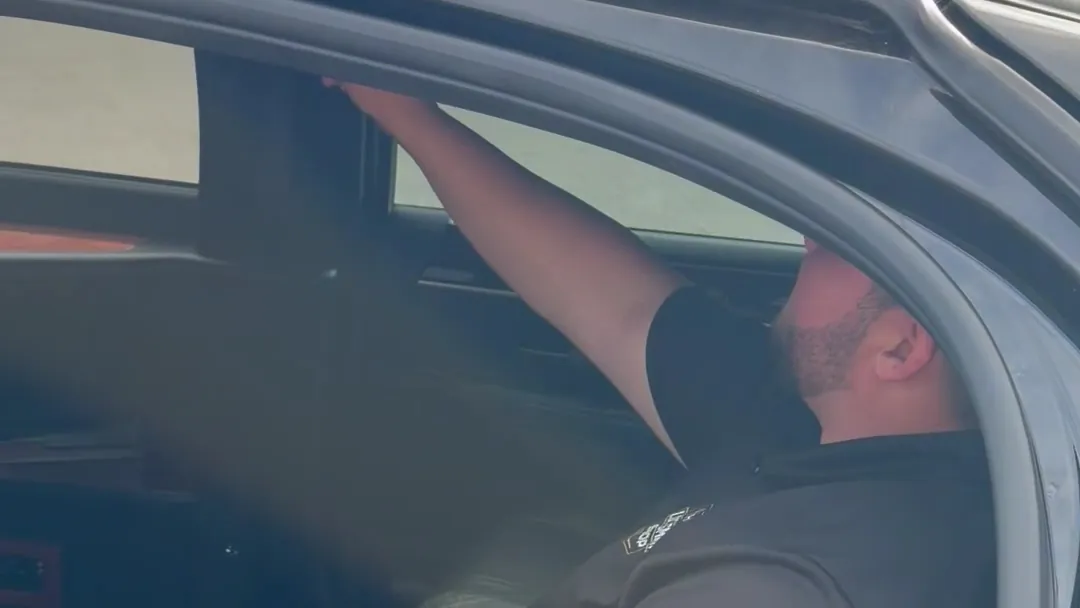
Many drivers rarely use the key in their car door, because the remote does the work. Then the remote battery dies, the cylinder is stiff from disuse and weather, and the key snaps. The piece comes out the same way; the bigger question is the replacement key.
If the broken key had a chip or a remote, the new one has to be programmed to your car, or it will unlock the door but won't start the engine. We cut and program replacement keys, and if that was your only key, it's a good moment to make a second: see spare car keys. Keys locked inside too? See car lockout help.
Keys can also break off in the ignition, which is its own job (we handle extraction and ignition repair there too), and the same rule applies: don't force it.
What about mailbox locks, padlocks and business doors?
Mailboxes. Mailbox keys are thin and break easily, especially in locks exposed to rain and salt air. A mailbox lock at your home is yours to repair or replace. On a cluster mailbox, the lock may belong to the HOA, the property manager or the Postal Service, so check with them first; we may need their sign-off.
Padlocks. On an inexpensive padlock, replacing the lock is often simpler than extracting the key. On a keyed-alike set, such as gate, shed, dock or boathouse padlocks that all take one key, extracting the piece and cutting a new key keeps the set intact. Padlocks near the water corrode, and seized padlocks snap keys.
Businesses. A key sheared off in the storefront door at opening time is a lockout with staff waiting. We extract it, get you in and cut a new key; file cabinet, desk and mailbox keys can often be cut by code. See commercial locksmith services.
Can a new key be made from the broken pieces?
Often, yes. With both halves, a locksmith can usually line them up and cut a matching key. If the original was worn, a fresh key cut to the lock's original specification beats a copy, which would reproduce the wear. For cars, the key code can be looked up by VIN with proof the vehicle is yours, and a chip key is then programmed to the car.
Does the lock need repair, rekeying or replacing afterward?
- A new key only: the lock turns smoothly once the piece is out, and the key wasn't lost or copied. Often, that's all it takes.
- Repair or adjustment: the cylinder is stiff, gritty or corroded, or the door needs adjusting so the bolt stops dragging.
- Rekey: you're not sure who else has copies; see our guide to rekeying vs. replacing locks.
- Replace: the lock was damaged when the key broke or by earlier forcing, or it's simply worn out.
Frequently Asked Questions
Can a broken key be removed without damaging the lock?
Usually, yes. With the lock in its starting position, thin extraction tools can draw the piece out without taking the lock apart. A badly wedged piece or a corroded cylinder may mean removing the cylinder from the door first.
Can you make a new key from a broken key?
Often, yes. Keep both pieces so they can be matched and a new key cut. If the original was worn, a fresh key cut to the lock works better than a copy. Car keys can also be cut by VIN with proof the car is yours, then programmed if they have a chip.
Should I use superglue to get a broken key out?
No. Glue tends to bond to the pins instead of just the key piece, and a glued lock usually has to be replaced. Leave the piece where it is and call a locksmith.
Why did my key break off in the lock?
Usually something made it work too hard: a worn or poorly copied key, a stiff or corroded cylinder, or a swollen door that makes the bolt drag. Fix the cause, or the new key can break too.
Key Broken Off in a Lock?
Leave the piece where it is and call (813) 832-4777. Tell us what broke and where, and you'll get a free quote on the phone before any work begins.
Walk-ins welcome at 4556 S Manhattan Ave, Tampa, FL 33611Monday–Saturday 8am–8pm · Closed Sunday · Insured & bonded